Adopt a Plane

Help Preserve the Icons of American Airpower


What Your Sponsorship Supports

Adopt a Plane sponsorships help provide:

  • Routine cleaning and preservation care
  • Minor restoration and conservation work
  • Updated aircraft signage and interpretive materials
  • Research and storytelling connected to the aircraft
  • Educational content for students, families, and guests
  • Long-term care of the Museum’s aircraft collection

Every adopted aircraft helps keep history visible, accessible, and ready to inspire the next generation.

Sponsor Benefits

As an Adopt a Plane sponsor, you or your organization may receive:

  • Recognition signage near your sponsored aircraft
  • Recognition on the Museum website
  • Social media recognition
  • Opportunities for sponsor photos with the aircraft
  • Recognition in select Museum communications
  • Invitation to participate in aircraft care or preservation-related opportunities when available
  • The pride of helping preserve one of the Midwest’s most significant aviation collections


Ready to Adopt a Plane?

Complete the form below and a member of the Museum team will contact you with sponsorship details, available aircraft, and recognition opportunities.


Aircraft of Interest(Required)
Sponsorship Type(Required)

Aircraft sponsorships support the preservation, interpretation, and care of the Museum’s collection. Sponsorship benefits and recognition opportunities may vary by aircraft and giving level.

Why Adopt?

When you adopt an aircraft, you help preserve more than metal, rivets, engines, and paint. You help protect the stories connected to each aircraft: the crews who flew them, the engineers who pushed possibility forward, and the families and communities shaped by their service.

The Museum was created to preserve the aircraft and artifacts of the Strategic Air Command era while using that history to inspire future innovators, explorers, and problem-solvers. Adopt a Plane is a direct way to support that mission.

Ready to Adopt a Plane?

Available Aircraft

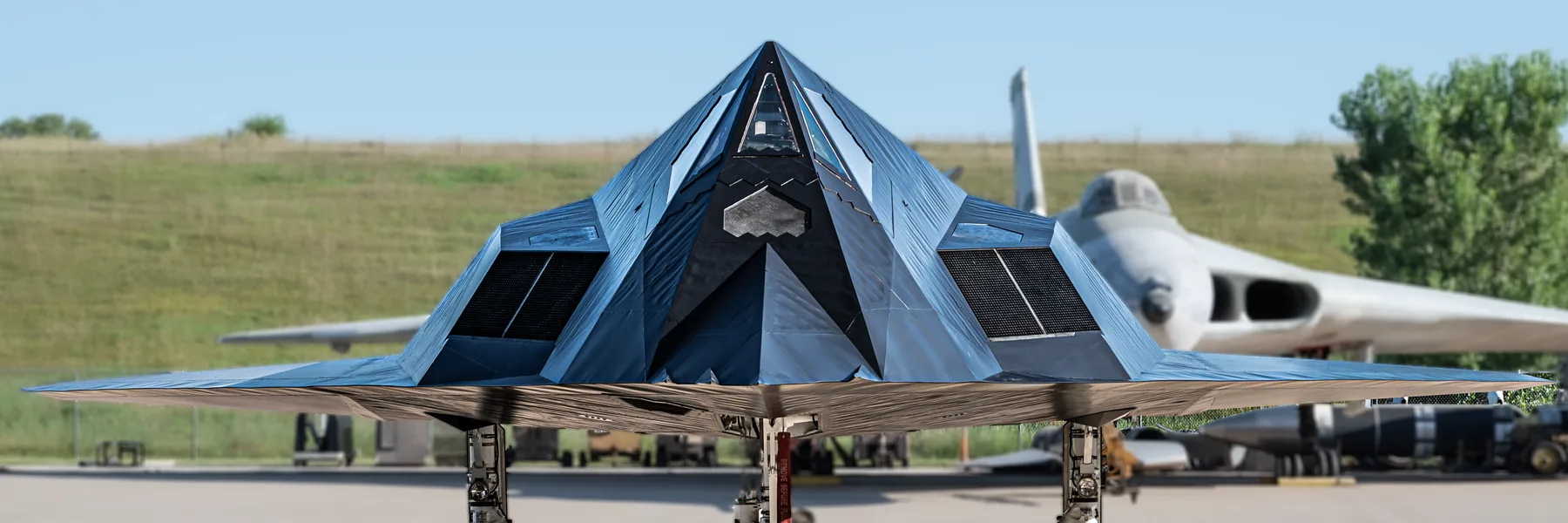
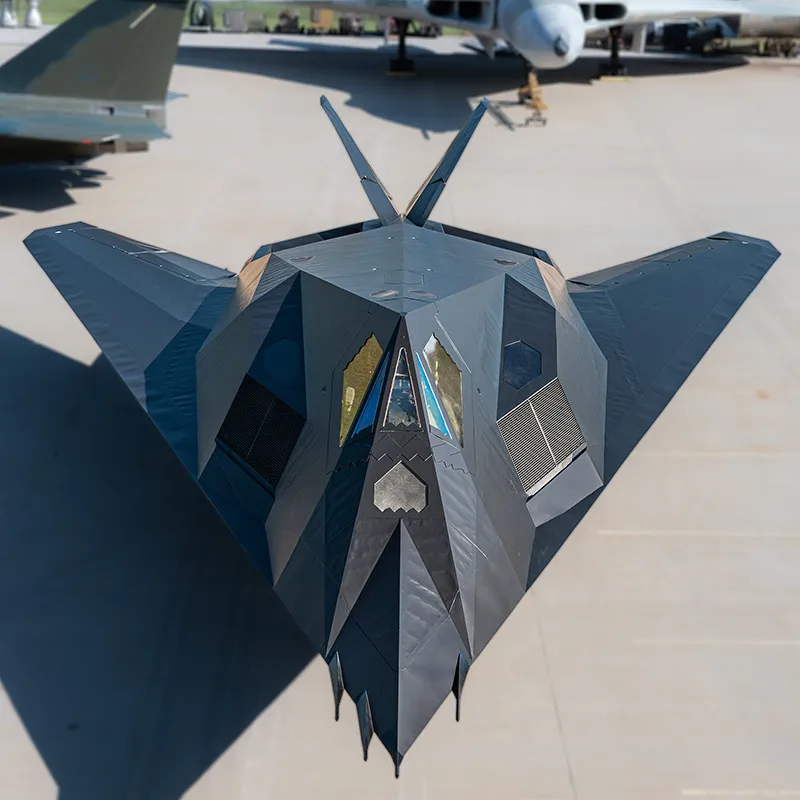
F-117
“Nighthawk”

The F-117 was the world’s first operational stealth aircraft, developed to strike high-value targets while avoiding radar detection. SAC’s F-117A on display, aircraft 85-0831, flew with the Combined Test Force at Plant 42 and recorded the highest test flight hours of the program, according to the Museum’s aircraft page.

$500 paid annually

(limited to 10 spots)

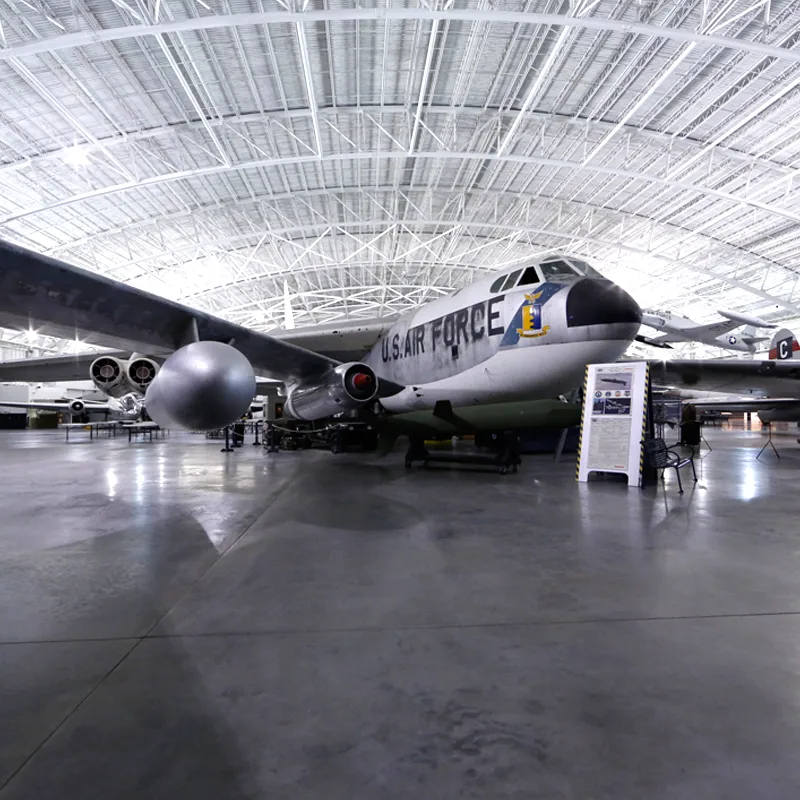
B-52
“Stratofortress”

A cornerstone of American strategic airpower, the B-52 has served for decades in nuclear deterrence, conventional bombing, precision strike, and global power projection roles. SAC’s B-52B, serial number 52-8711, was the first operational B-52 assigned to Strategic Air Command.

$250 paid annually

(limited to 10 spots)

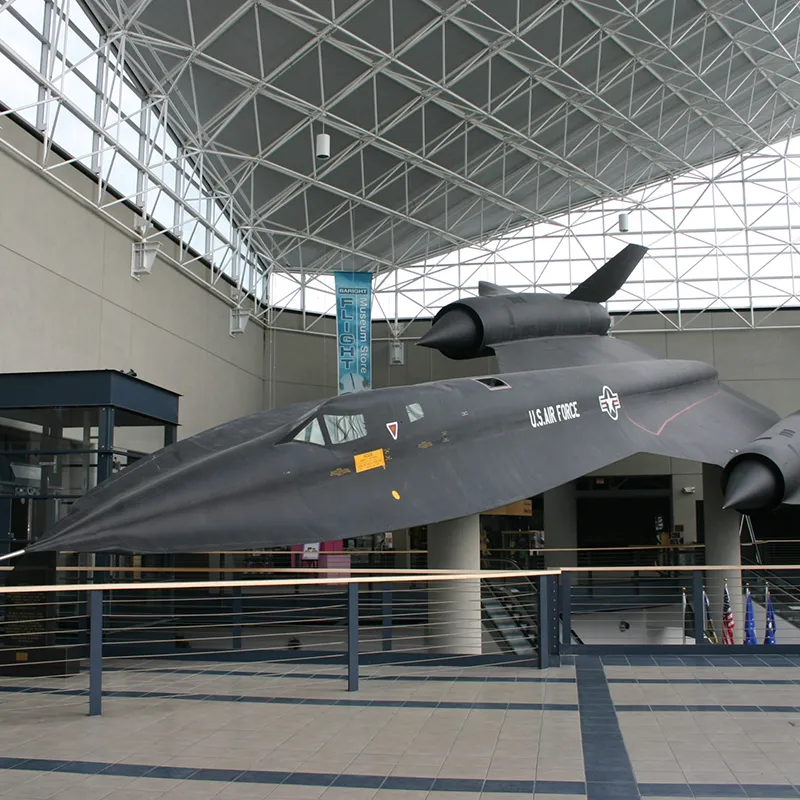
SR-71A
“Blackbird”

Built for speed, altitude, and secrecy, the SR-71 remains one of the most legendary aircraft ever created. SAC’s SR-71A, serial number 61-7964, was delivered to the U.S. Air Force in 1966 and has the third-highest flight hours of the SR-71 fleet.

$1,000 paid annually

(limited to 10 spots)

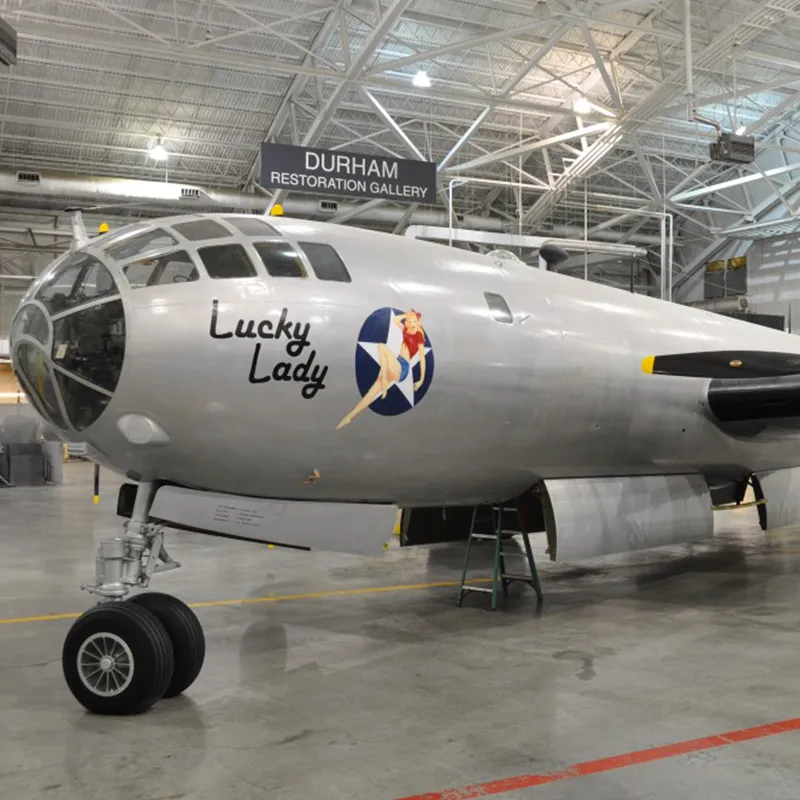
B-29TB
“Superfortress”

The B-29 was one of the most advanced bombers of World War II and later became central to early Strategic Air Command operations. When SAC was established in 1946, it operated B-29s exclusively before the aircraft moved into specialized roles including reconnaissance and tanker service.

$250 paid annually

(limited to 10 spots)

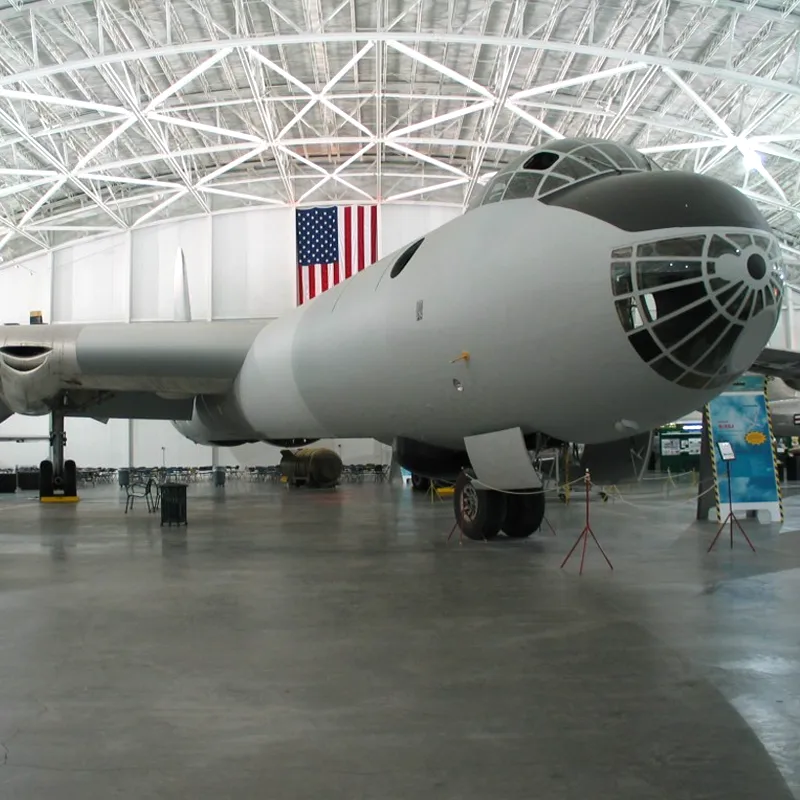
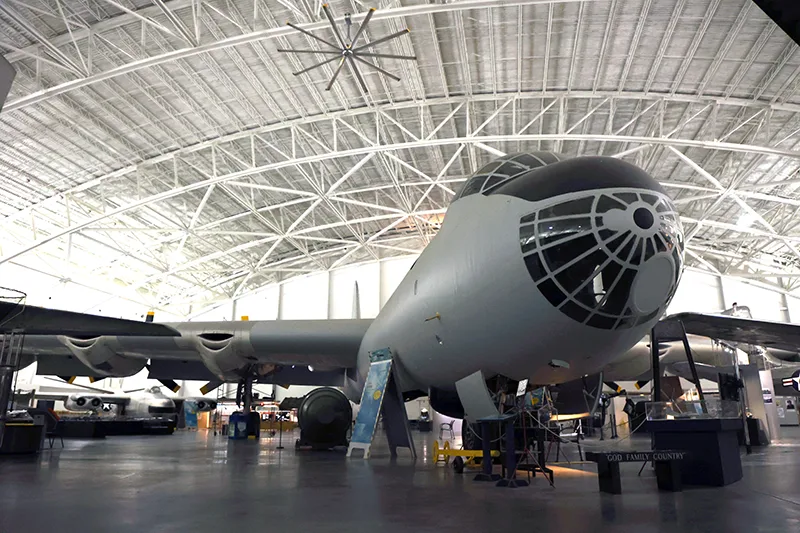
B-36J
“Peacemaker”

The B-36 Peacemaker was the largest production bomber ever built and became a symbol of early Cold War deterrence. Known by pilots as the “Magnesium Monster,” the B-36 carried intercontinental range and enormous presence, but never dropped a bomb in combat.

$500 paid annually

(limited to 10 spots)

Ready to Adopt
a Plane?

Complete the form above and a member of the Museum team will contact you with sponsorship details, available aircraft, and recognition opportunities.


Adopt Today!